Baby First: A Romantic Handwritten Font for Crafters and Small Shops
Every handmade seller knows that the right typeface can transform a simple product into something customers instantly fall in love with. When I first tried Baby First for my own shop, I noticed how it gave my labels and cards a genuine hand-lettered feel without the hours of manual writing. This font is an authentic handwritten font with a romantic touch, expertly designed to be a true favorite for anyone creating physical products, printables, or digital downloads. Its charm lies in the way it feels personal yet polished, making it a versatile asset for crafters who want to add warmth and elegance to their work.
What Makes Baby First Stand Out for Handmade Products
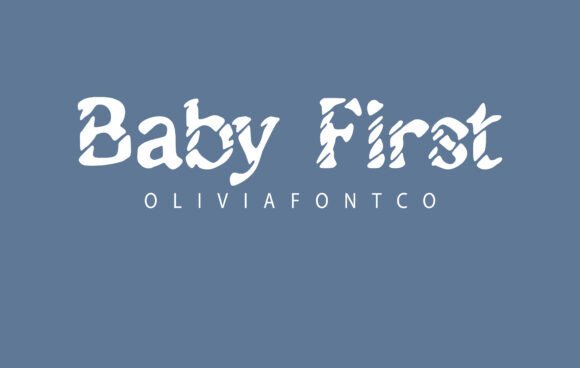
Baby First belongs to the Script Amp category, and it carries all the qualities you want in a premium handwritten font. The strokes are fluid and natural, with a gentle romantic sway that catches the eye without being overly ornate. This is not a font that shouts for attention; it invites the viewer in with its soft curves and approachable letterforms. For makers who sell on platforms like Etsy or at craft fairs, this type of font can be the difference between a product that feels mass-produced and one that feels made with care. The romantic touch makes it especially suitable for wedding stationery, gift tags, and boutique packaging, where emotion and quality matter most.
As a creator, I look for fonts that work hard across multiple projects. Baby First does exactly that. Whether you are designing a printable wall art piece or a set of product labels, the font retains its character at different sizes. It feels like a real person wrote it, which is exactly what handmade buyers are searching for. They want to see the human element in your products, and this font delivers that authenticity every time.
Practical Uses for Baby First in Your Craft Business
The real test of any font is how it performs in actual product creation. Baby First shines in a wide range of projects that handmade sellers and printable creators tackle daily. Here are some ways I have used it and seen other makers use it successfully.
- Candle and soap labels: The romantic script adds a sophisticated touch to small product labels. It reads clearly on kraft paper and glossy sticker sheets, and it pairs beautifully with simple icons or minimal borders.
- Greeting cards and invitations: Birthday invitations, thank you cards, and save-the-date designs all benefit from the font's natural flow. Short phrases like "You're Invited" or "With Love" look especially striking in Baby First.
- Farmhouse and home decor signs: For wooden signs, canvas prints, or vinyl wall decals, the handwritten style creates a cozy, lived-in feel. Words like "gather," "blessed," or "home" become focal points that customers love.
- Wedding stationery: Baby First is a natural choice for wedding welcome boards, place cards, and ceremony programs. Its romantic energy matches the tone of the occasion without feeling too formal or stiff.
- Planner pages and printables: Digital planners, habit trackers, and journal covers gain a personal touch when headers and titles use this font. It works well for short text elements that need to stand out.
- Product packaging and tags: Boutique clothing tags, gift boxes, and kraft bags look elevated with Baby First. Customers often perceive handwritten-style fonts as higher quality, which can justify a premium price point.
- Mugs, shirts, and tote bags: For heat transfer vinyl or screen printing, the font's clean contours make weeding and application straightforward. Short quotes or single words read beautifully on fabric and ceramic surfaces.
Seasonal designs are another area where Baby First excels. Think holiday gift tags, Valentine's Day cards, or Easter printables. The romantic touch feels natural for love-themed projects but is neutral enough for everyday use. I have also seen sellers use it for baby shower decorations and nursery wall art, where the soft style fits the theme perfectly.
How Baby First Affects Product Presentation and Customer Appeal
The font you choose directly influences how customers perceive your product's quality. Baby First brings a sense of intention and artistry to everything it touches. When a buyer sees a label or card set in this font, they subconsciously associate it with care, detail, and a personal touch. This emotional appeal is especially valuable for handmade businesses where the story behind the product matters.
Consistency is another factor. Using Baby First across your product line helps build brand recognition. If a customer buys a candle with a Baby First label and later sees a greeting card in the same style, they immediately connect the two items to your shop. This kind of visual consistency is hard to achieve with generic fonts, but a distinctive handwritten typeface like this one makes it effortless. It gives your shop a cohesive look that feels curated and professional.
For printable product creators, the font can also enhance the perceived value of digital files. A wedding invitation suite designed with Baby First looks like a high-end design asset, even if the seller is just starting out. Customers are more likely to purchase and recommend templates that use premium typography because they trust the quality behind them.
Readability and Practical Advice for Cutting Machines and Small Formats
One concern crafters often have with script fonts is readability, especially at small sizes or when cut with machines like Cricut and Silhouette. Baby First handles these challenges well. The letterforms are distinct and well-spaced, which means they remain legible on small stickers, product labels, and printed cards. I have used it for 1-inch round labels and the text was still clear at that scale.
For cutting machines, the font's clean outlines mean less weeding frustration. The connected strokes are smooth without excessive loops or tight curves that can cause cut lines to overlap. This makes it a reliable choice for vinyl projects where precision matters. Always test a small sample cut first, but I have found Baby First to be one of the easier script fonts to work with on adhesive vinyl and heat transfer material.
When printing, consider the substrate. On dark materials, a white or light outline can help the font stand out. For paper products, a simple foil finish or embossed effect can enhance the romantic feel without compromising readability. Mockup previews also look elegant with this font, which helps when you are creating product listings or social media graphics to showcase your work.
Font Pairing Ideas for Cohesive Designs
Pairing Baby First with a clean sans serif font is one of the most effective ways to create balanced compositions. A simple sans serif like a geometric or humanist style provides contrast and gives the eye a place to rest. For example, use Baby First for the main headline or decorative phrase, and a neutral sans serif for body text, prices, or secondary details. This combination feels modern and approachable.
Another option is to pair it with a light serif font for a more traditional or vintage look. The contrast between the handwritten script and a structured serif adds depth to designs like wedding invitations or boutique tags. If you want a bolder display font for large titles, keep Baby First as the accent or subheading to maintain the romantic mood without overwhelming the layout.
For product labels, consider using Baby First for the product name and a minimalist sans serif for ingredients or weight details. This keeps the label looking clean and professional while still highlighting the brand name. The key is to let Baby First be the star while supporting it with simpler typefaces that do not compete for attention.
What to Check Before Using Baby First in Your Projects
Before you start designing, take a moment to review what is included with the font. Baby First may come with stylistic alternates, ligatures, or swashes that expand your creative options. Alternates allow you to customize the look of certain letters, which is especially useful for logos or repeated words. Ligatures help connect letters smoothly, giving your text a more natural handwritten flow.
Check the file formats provided. Most fonts come in OTF, TTF, or both. OTF files often include more typographic features, so they are my preferred choice for design software. Also verify multilingual support if you plan to sell to international customers or include special characters in your designs. Having these details sorted early saves time and prevents surprises during production.
Commercial Licensing: What Crafters and Sellers Need to Know
If you are using Baby First for commercial purposes, understanding the license is essential. Many premium fonts in the Script Amp category require a separate commercial license when used for selling physical products, templates, printables, digital downloads, SVG designs, merchandise, or client work. This includes items like Etsy printables, Canva templates, custom logo designs, or any product where the font contributes to the sale.
Always read the license agreement carefully. Some licenses cover a certain number of sales or a specific type of use, while others offer more flexibility. Investing in the correct license protects your business and ensures you can use the font without legal concerns. It is a small cost compared to the value it adds to your products and brand identity. When in doubt, reach out to the font foundry directly for clarification.
Using a font like Baby First with proper licensing also shows professionalism to your clients. If you create custom designs for others, they will appreciate that you work with licensed assets. It builds trust and positions your shop as a serious, high-quality business that values both creativity and ethics.
Baby First as a Long-Term Design Asset
Once you add Baby First to your font library, you will find yourself reaching for it again and again. It has the rare quality of being both romantic and practical, which is hard to find in handwritten fonts. Whether you are designing a batch of holiday tags, a wedding welcome sign, or a new line of product labels, this font delivers consistent results that appeal to customers looking for something handmade and heartfelt.
For crafters who sell across multiple seasons and categories, having a go-to font like Baby First streamlines your design process. You spend less time searching for the right typeface and more time creating products your customers love. It becomes part of your brand identity, something customers recognize and trust. And in a marketplace where standing out matters, that kind of consistency is a real advantage.